23 November 2026
Apartment lockouts and rental property access: what tenants should know
Presented by @thelockjournal
What happens when you are locked out of your rental
A lockout can happen to anyone. You step into the hallway to grab a package, the door clicks shut behind you, and you realise your keys are still on the kitchen counter. Or you return from a late shift and the key turns but the latch does not budge. For tenants, a lockout is not just an inconvenience, it raises questions about who to call, who pays, and what your rights are. Understanding how rental property access works can save you time, stress, and money.
Why apartment doors lock differently than houses
Most apartment doors use a deadbolt and a latch that lock automatically when the door closes. Unlike a house where you might prop the door open, many rental buildings have self-locking entrance doors as a security measure. That is good for safety but bad for forgetful moments. Some apartments also have a separate lock cylinder for the unit itself, meaning you need both a building key and a unit key. If one breaks or gets left behind, you are stuck.
Who to call first: the property manager or a locksmith
Your first move should be to contact your property manager or super. Many rental agreements require the landlord to provide emergency access during reasonable hours, and some buildings keep a master key or an after-hours contact. However, property managers are not always available at 2 a.m., and they may charge a call-out fee. If you cannot reach them, or if the lock is damaged, you will need an emergency locksmith who can respond quickly and work with apartment-style locks.
What an emergency locksmith does for apartment lockouts
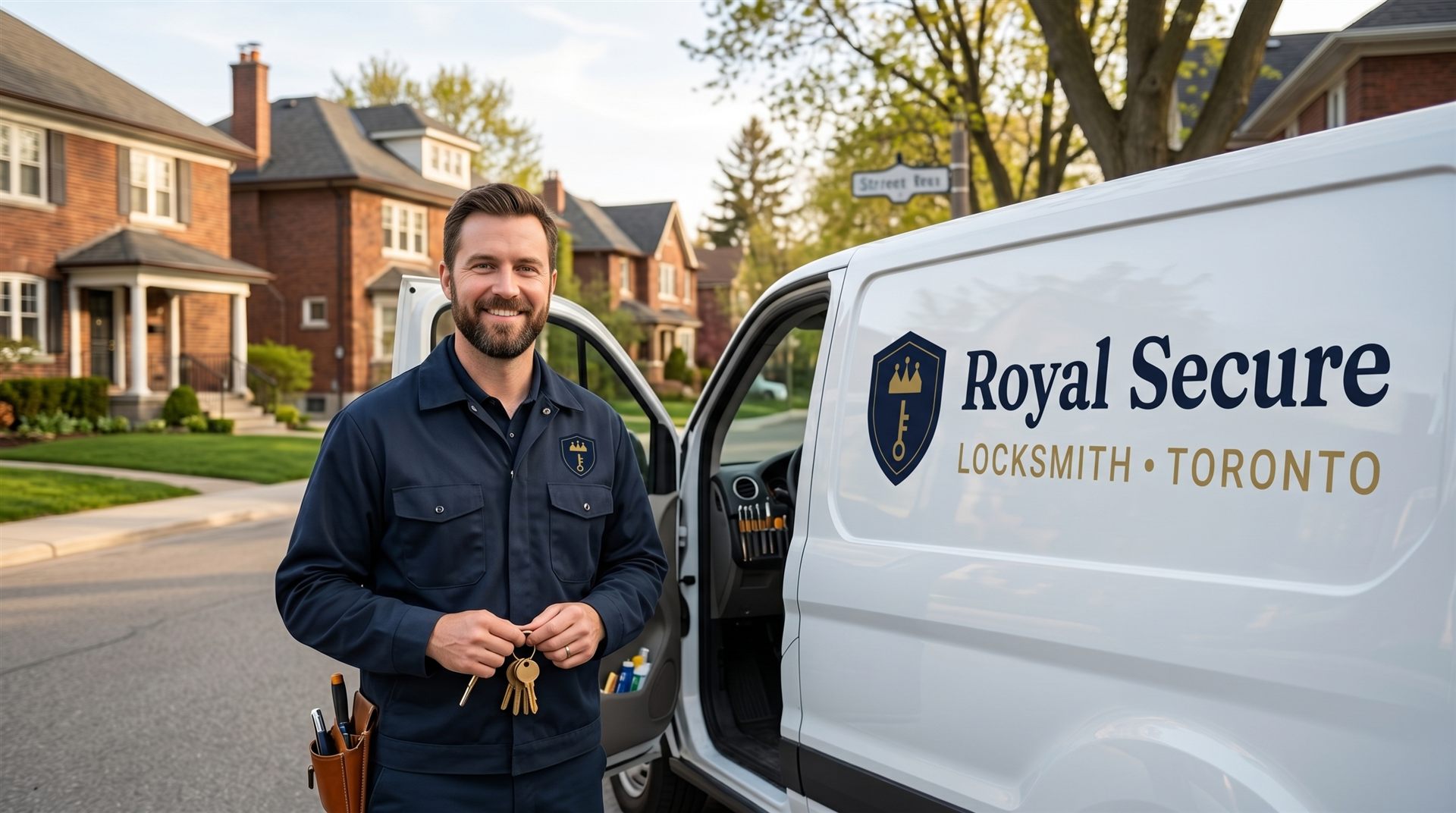
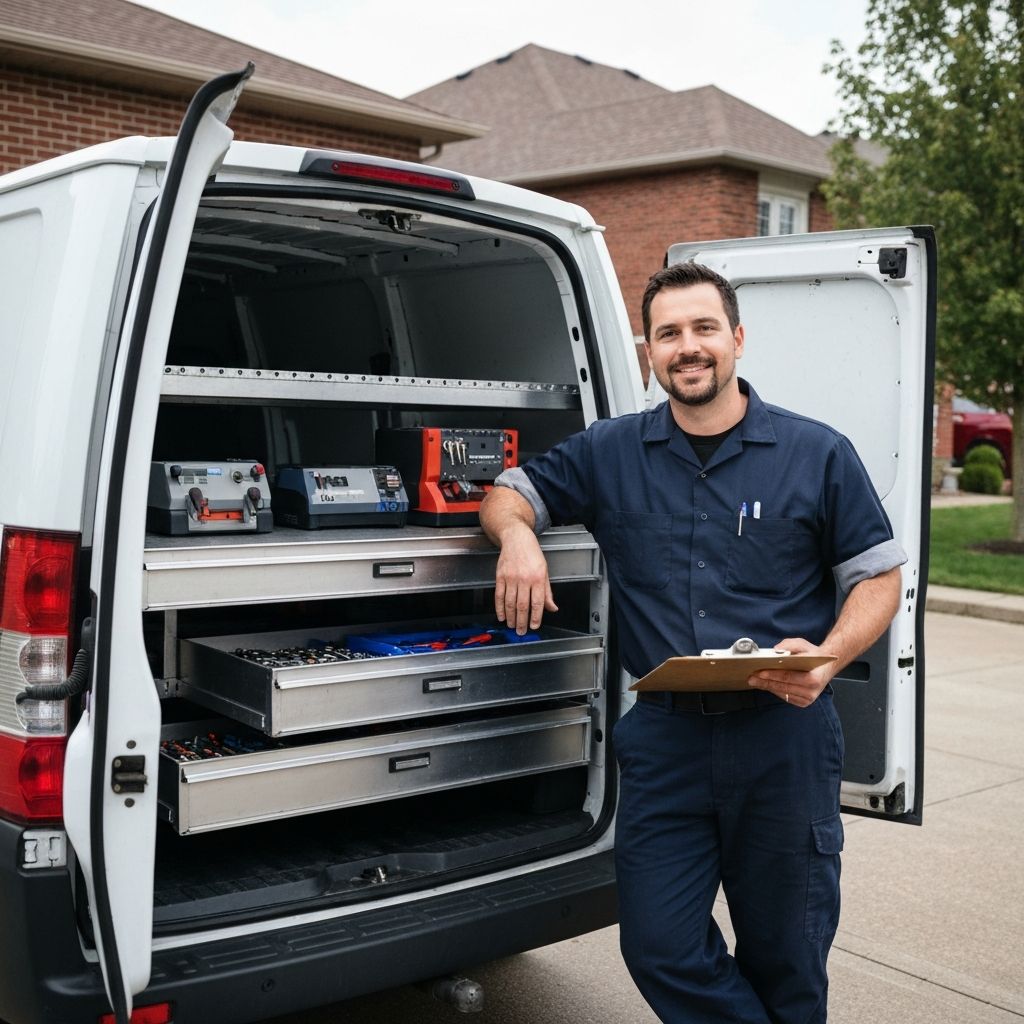
A professional mobile locksmith carries tools designed for non destructive entry. That means they can open most standard deadbolts and latches without drilling through the door frame or damaging the lock cylinder. They work by manipulating the lock mechanism, often with a tension wrench and a pick, so the door opens cleanly. In cases where the key has snapped inside the lock, they can extract the broken piece and either repair the lock or cut a new key on site. The goal is to get you back inside with minimal damage and no need for the landlord to replace the entire door hardware.
Proof of residence matters
Before an emergency locksmith opens an apartment door, they will ask for proof of residence. This is a standard precaution to avoid unauthorised entry. A piece of mail with your name and the unit number, a lease agreement, or a government-issued ID showing the address usually works. If your ID does not match the address, a utility bill or a letter from the landlord can help. Keep a copy of something in your phone or wallet, it makes the service call faster and avoids awkward delays.
Who pays for an apartment lockout
In most cases, the tenant pays for a lockout service unless the lock was faulty or the landlord failed to provide a working key at move-in. Some rental agreements include a clause that covers emergency access, so check your lease. If you need an emergency locksmith, ask for an estimate before work starts. Many locksmiths charge a flat service call plus a fee for the lock manipulation. A replacement key, if needed, adds a small cost. Always get a receipt, your landlord may reimburse you if the problem was on their end.
What to do if the lock is broken
Sometimes the lockout happens because the lock itself has failed. Maybe the deadbolt sticks, the latch does not retract fully, or the key turns but the cylinder feels loose. In that case, the tenant should notify the landlord in writing as soon as possible. A broken lock is a security issue and usually the landlord's responsibility to fix. But if you are already locked out, you may need a temporary solution. A locksmith can often rekey or adjust the lock cylinder so it works again, or install a temporary latch until the landlord arranges a replacement.
How to avoid getting locked out
- Keep a spare key with a trusted neighbour or friend who lives nearby.
- Install a key hook just inside the door so you always see your keys before stepping out.
- If your building uses a fob or code, store a backup code in your phone's notes.
- Test your lock regularly, if it feels stiff or sticks, report it before it fails completely.
- Consider a smart lock that opens with a code or phone; check with your landlord first.
What about after-hours access
Many rental buildings restrict after-hours access to a single entrance or require a security code. If you are locked out late at night, a mobile locksmith who knows Toronto and the GTA can still reach you. They may need to use a different entrance or be buzzed in by a neighbour. Let them know the building access rules when you call so they can prepare. Some locksmiths carry tools for commercial-grade locks, which are common in apartment lobbies and laundry rooms, so they can handle those too.
Rights and responsibilities for tenants
Tenants have a right to quiet enjoyment of their rental unit, which includes reasonable access. A lockout that lasts for hours because the landlord did not provide a working key or maintain the lock may be a breach of that right. On the other hand, tenants are responsible for keeping their keys safe and not tampering with the lock. If you try to force the door open yourself, you may damage the door frame or the latch, and that repair cost could fall on you. Professional non destructive entry is always the safer choice.
If you are in a situation where the landlord refuses to provide access or the lock is repeatedly failing, document everything. Save receipts from any emergency locksmith you hire. A written record helps if you need to file a complaint or negotiate a repair. Most local tenancy laws require the landlord to maintain locks in good working order, so do not hesitate to ask for a fix.
What to expect during a lockout service call
When you call an emergency locksmith, they will ask for your location, the type of lock, and whether you have proof of residence. They will give you an estimated arrival time. Once they arrive, they will assess the lock. If it is a standard deadbolt, the job is usually quick, often under ten minutes. If the lock is damaged or the key is broken inside, it may take longer. The locksmith will explain what they are doing and show you the work before they finish. You should test the lock afterwards to make sure it works smoothly.
Royal Secure Locksmith offers mobile emergency services throughout Toronto and the GTA, covering apartment lockouts alongside residential, commercial, and automotive needs. Their technicians carry tools for non destructive entry and can handle most lock cylinders and deadbolts on site. For tenants, that means a fast return to your unit without a broken door frame.
When to upgrade or rekey
If you have been locked out several times, or if the lock feels worn, consider asking the landlord to rekey the unit. A fresh lock cylinder and a new set of keys can prevent future issues. Rekeying is cheaper than replacing the entire lock and keeps the same hardware. It is also a good idea after a break-in or when a previous tenant's keys are still in circulation. Some landlords will cover the cost; others may ask you to split it. Either way, a properly working lock reduces the chance of another lockout.
Royal Secure Locksmith can also rekey cylinders for apartment doors, but always check with your property manager first, some buildings have a standard key system that requires the landlord's approval. A mobile locksmith familiar with Toronto rental properties will know the common systems and can advise on what is allowed.
Final practical tips
- Store a spare key outside the apartment only if you have a secure lockbox approved by your landlord.
- Take a photo of your key and the lock brand so you can describe it accurately on the phone.
- If you hear a grinding or clicking sound when turning the key, have the lock inspected before it jams completely.
- Know your building's emergency contact number and keep it in your phone.
An apartment lockout is rarely planned, but knowing the right steps makes it manageable. Call your property manager first, then a qualified mobile locksmith if needed. Show proof of residence, ask for a price estimate, and keep the receipt. With the right help, you will be back inside quickly and without damage to your door.